Products & systems / Bridge RB nailing bridge

NAILING

Bridge RB nailing bridge

Automatic fastening of sheathing.

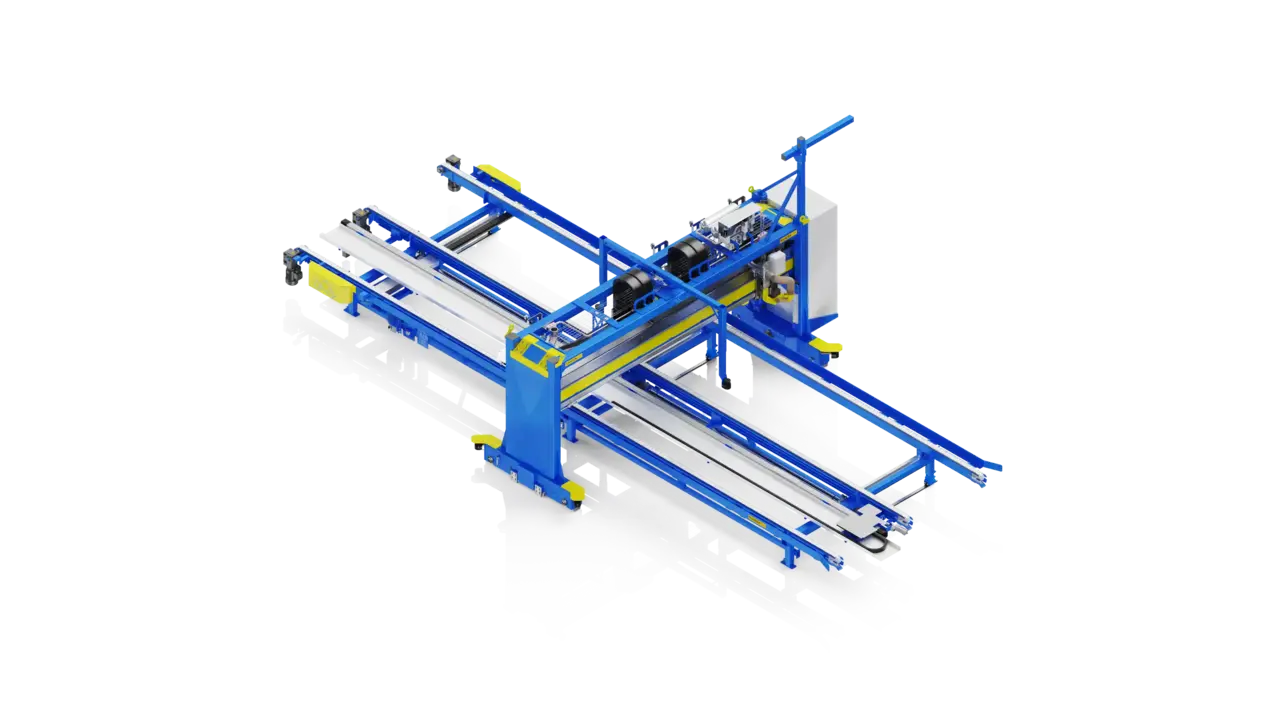
The Bridge RB is the nailing bridge in a Randek wall or floor line. Once the frame is built and the sheathing boards are laid on top, the bridge travels over the element and fastens the sheets to the frame: the fast, consistent alternative to fastening every board by hand. For builders working in wood, it is the station that turns a framed panel into a finished, sheathed element. Randek invented the automatic nailing bridge for wall elements in 1968. The bridge was previously sold as the NB1000F, and earlier machines and manuals carry that name.

The nailing bridge in a Randek wall or floor line: travels over the element and fastens the sheets to the frame. Three versions, from operator-controlled to CAD/CAM-driven.

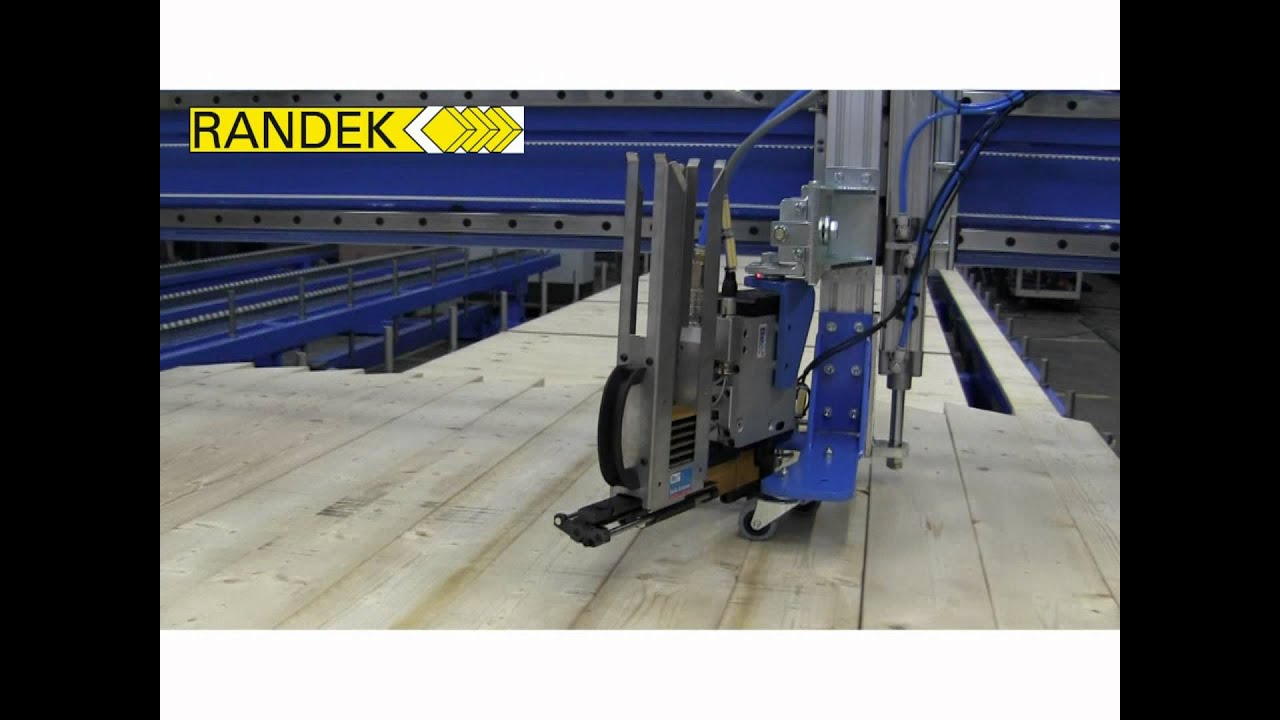
  • Fastens sheets to the frame. Once the frame is built and the sheets are laid on top, the bridge runs over the element and fastens the sheets to the frame along the studs and plates.
  • From operator-controlled to CAD/CAM. RB1 is set up and steered by the operator; RB2 and RB3 run automatically from the CAD/CAM file, RB3 at much higher speeds.
  • Chosen by automation level, not by line. The same bridges appear in wall and floor lines, so you pick the one that matches how automated the line is.
  • Consistent quality. Repeatable fastening spacing and placement across every panel.
THE CHOICE

Three bridges, compared

Pick the bridge by the level of automation you need, not by the line it goes into.

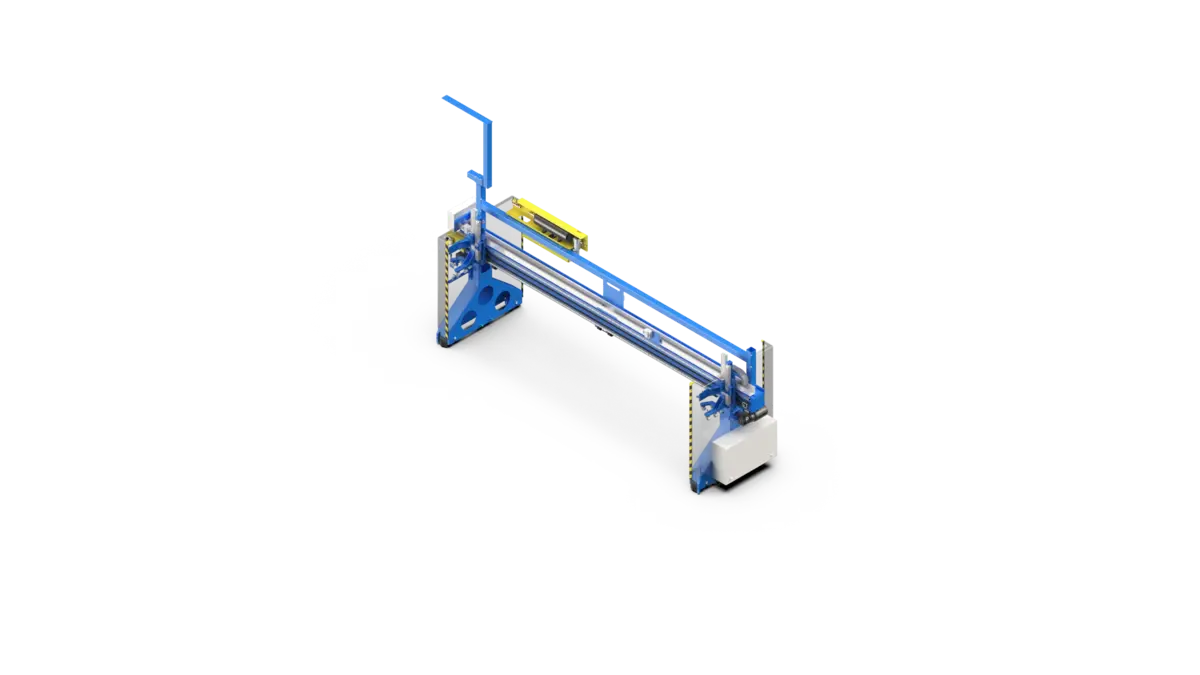
Randek Bridge RB1, a manually moved nailing bridge, isometric view
SEMI-AUTOMATIC

Bridge RB1

Set up and steered by the operator from a handheld control box; it does not read CAD/CAM files. With fastening active it nails automatically where it stands: one button lays a full nail row between the set end positions, and in push mode it fires as the operator moves it.
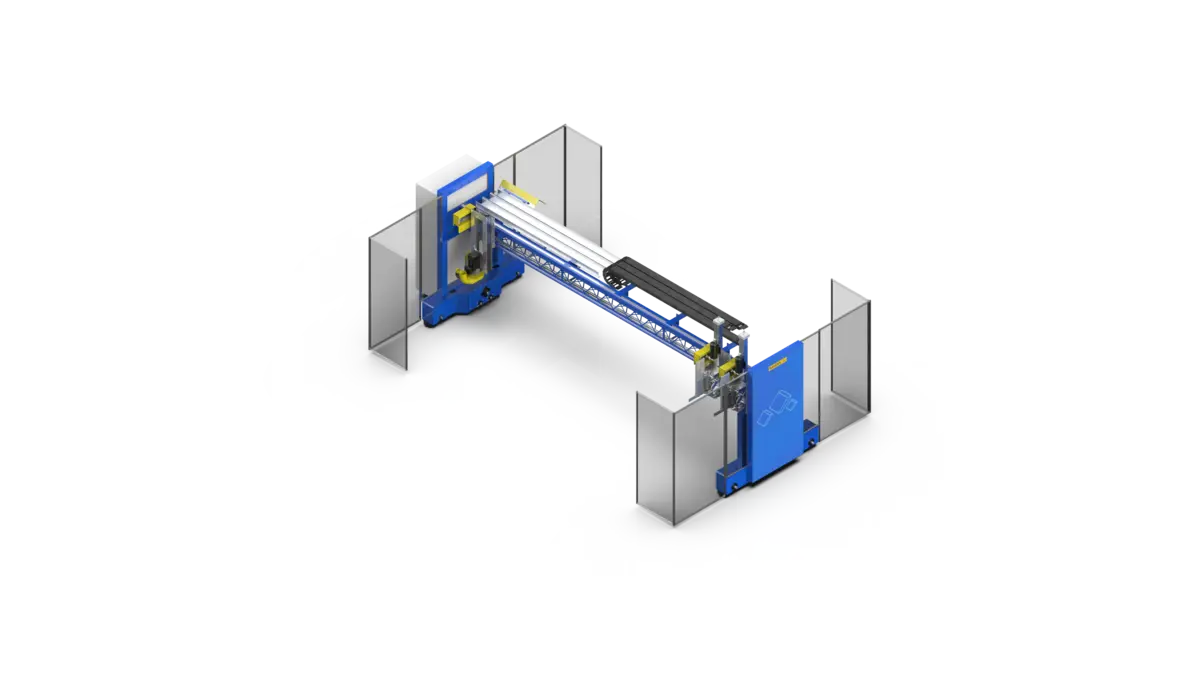
Randek Bridge RB2, a motorised nailing bridge, isometric view
AUTOMATIC

Bridge RB2

Automatic, driven from the CAD/CAM file. The lighter build allows longer total widths, which suits floor and roof production. Tools sit on one side.

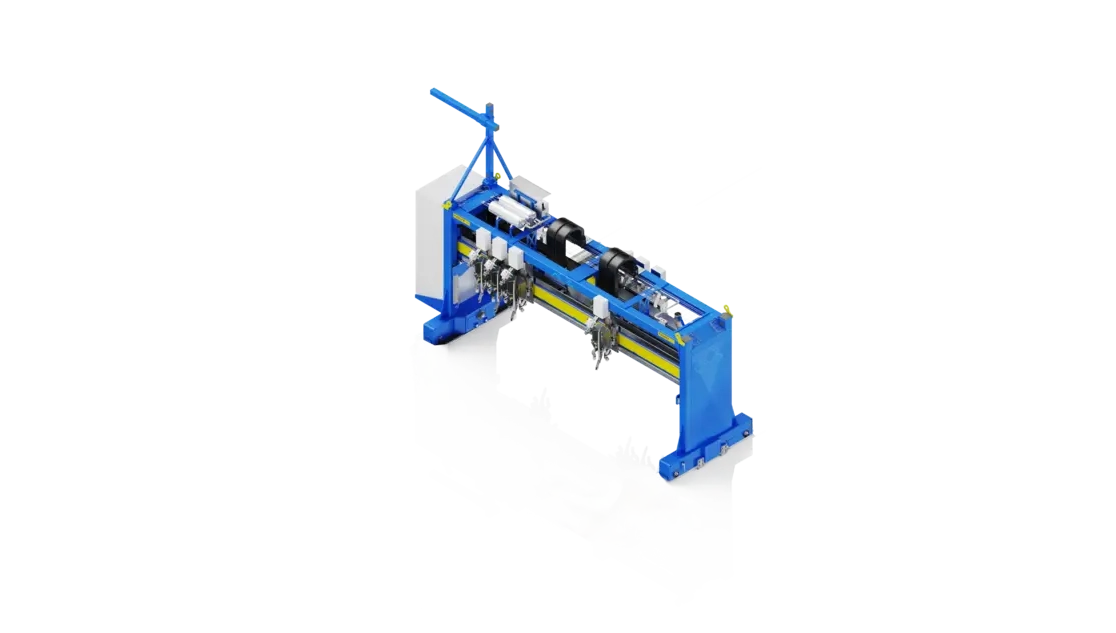
Randek Bridge RB3, a motorised nailing bridge for higher automation, isometric view
AUTOMATIC

Bridge RB3

Automatic, driven from the CAD/CAM file, and built for much higher speeds. Four tool positions on each side, for fastening, milling, sawing, gluing, printing or insulation.

 RB1RB2RB3
Level of automationSemi-automaticAutomaticAutomatic
ControlControl boxCAD/CAMCAD/CAM
Tool positionsOne sideOne sideFour on each side, eight in total
Fastening tools22Up to 8, plus glue
Other tools–One milling toolMilling, saw, glue or printer in the free positions
Tool changing––A whole side can be given to tool changing
Insulation–In place of all other toolsTakes one full side
Suited forLines run by the operatorWide elements, such as floors and roofsHigh-speed automated lines
On RB3 a milling tool or a saw takes two positions, and a combined saw and mill also takes two. A printer takes two positions; insulation takes a full side.
WHERE TO START

Upgrade a line, or start with a bridge

A bridge is an easy way to upgrade a line you already run: it takes over the fastening from the operators. It is also a good place to start. A nailing table and a bridge are a complete first step into sheathed elements, and the rest of the line can follow later. Reach, fastening tools and capacity are set to the elements you produce. Designed for timber elements. Previously sold as the NB1000F.

A Randek Bridge RB3 over a nailing table, isometric view
SEE IT RUN

Bridge RB nailing bridge in production

Nailing Bridge NB1000 RANDEK
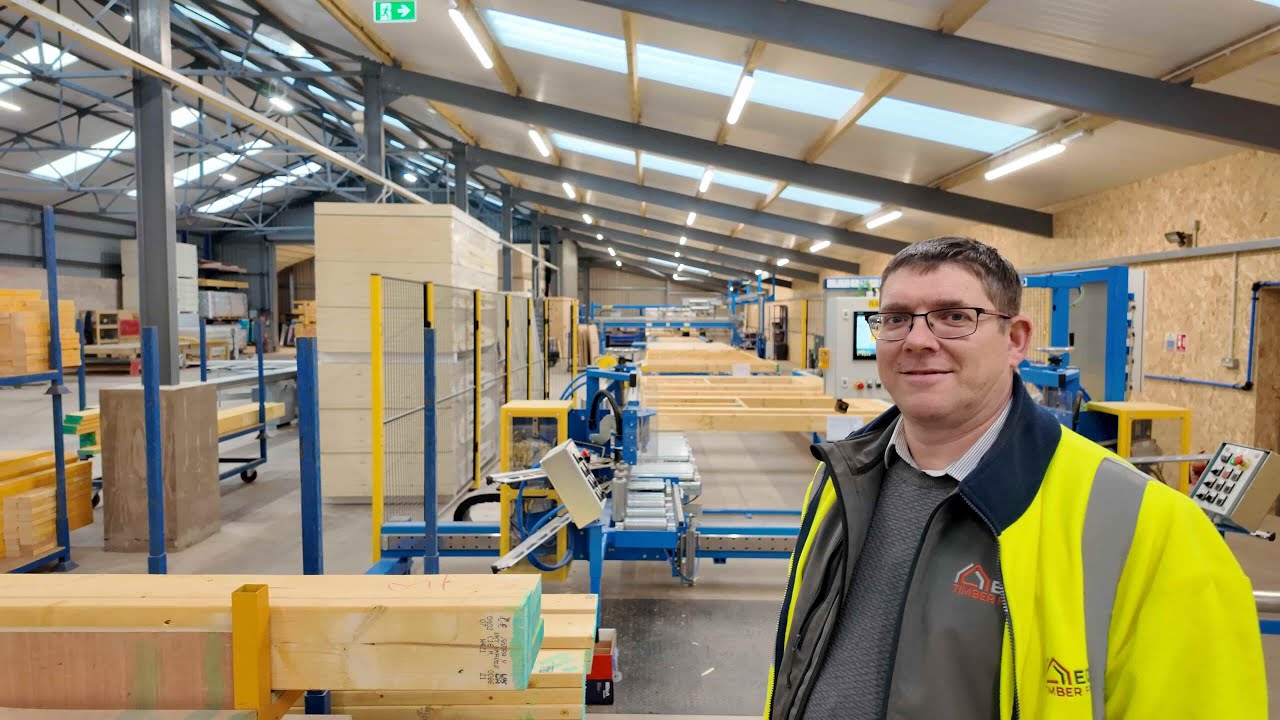
Inside EDGE Timber Frame’s Factory with Randek Automation and Graeme Batey
Your next factory starts here

Talk to Randek

Tell us what you build today and where the bottleneck is. We will point you to the right team: locally where we have one, from Sweden where we do not.

Talk to your team